NASA Image Gallery
The following images are provided by Nasa and are refreshed on a daily basis.
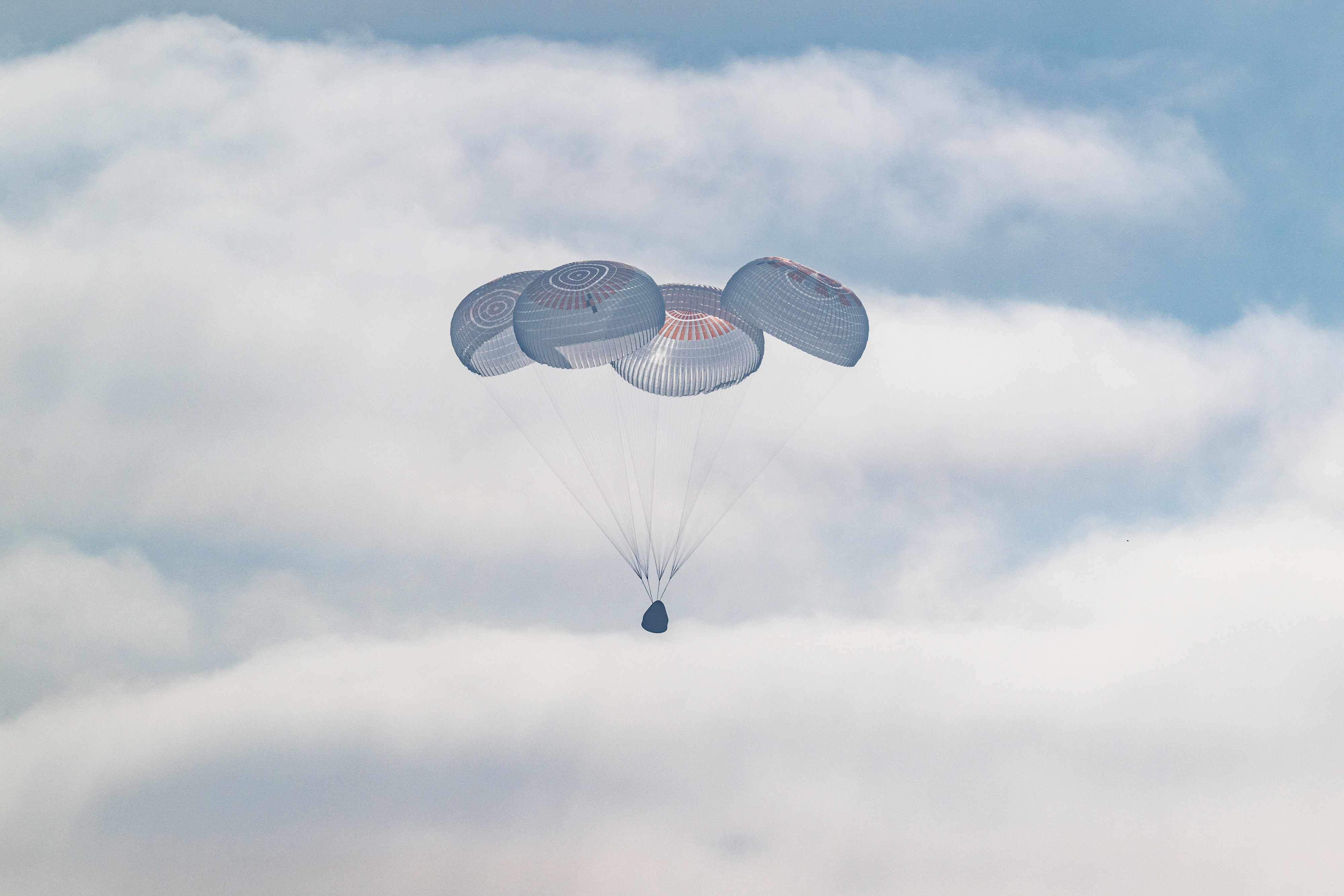
Crew-12 Returns to Earth
The SpaceX Crew Dragon Freedom spacecraft is seen as it lands with NASA astronauts Jessica Meir and Jack Hathaway, ESA (European Space Agency) astronaut Sophie Adenot, and Roscosmos cosmonaut Andrey Fedyaev aboard in the Pacific Ocean off the coast of Los Angeles, Calif., Thursday, Oct. 8, 2026.
10/8/2026
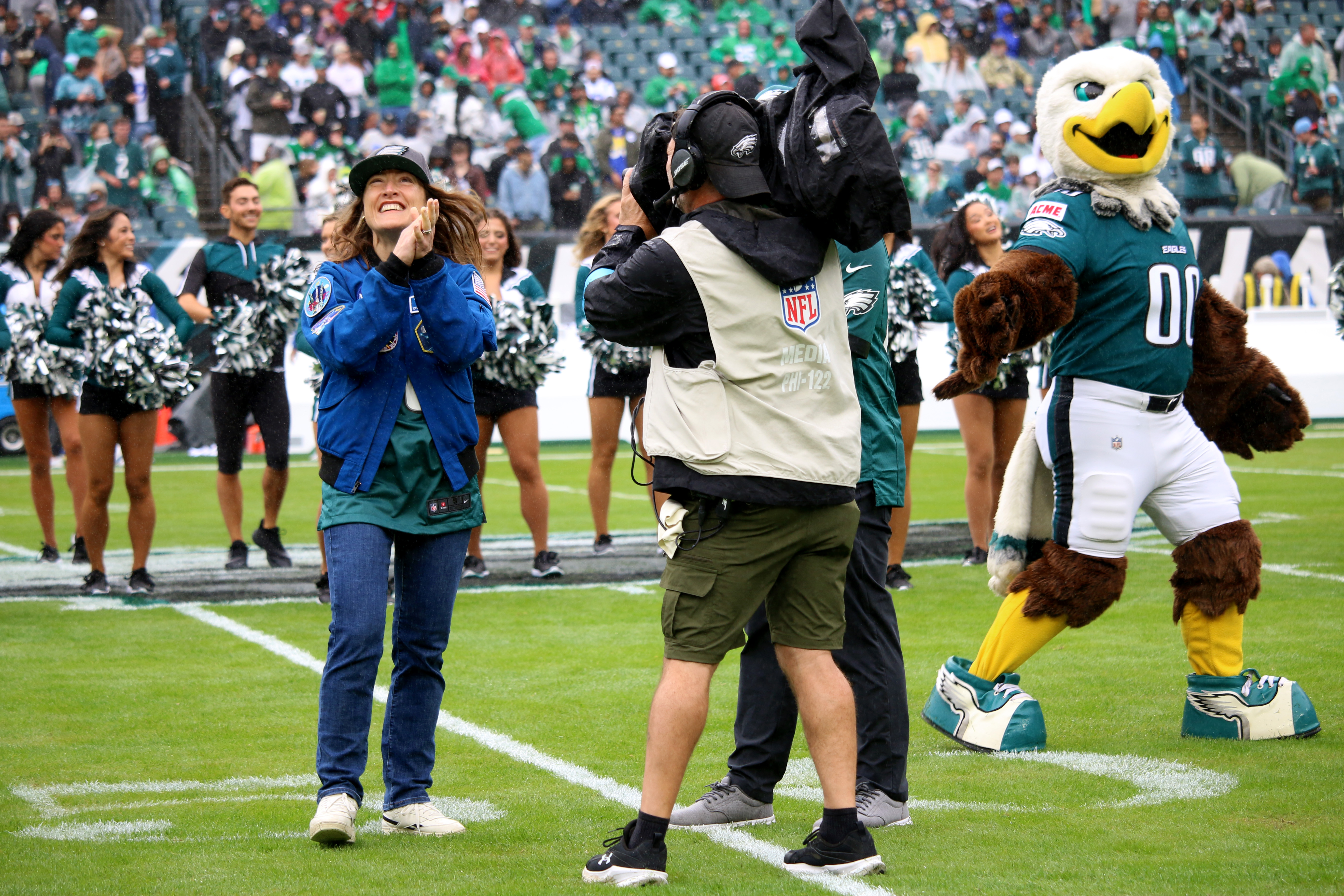
NASA Astronaut Christina Koch at Eagles vs. Rams
NASA astronaut and mission specialist of the agency's Artemis II mission, Christina Koch, led the fans in singing the Eagles Fight Song from the field at an NFL game between the Philadelphia Eagles and the Los Angeles Rams at Lincoln Financial Field on Sunday, Oct. 4, 2026, in Philadelphia.
10/5/2026
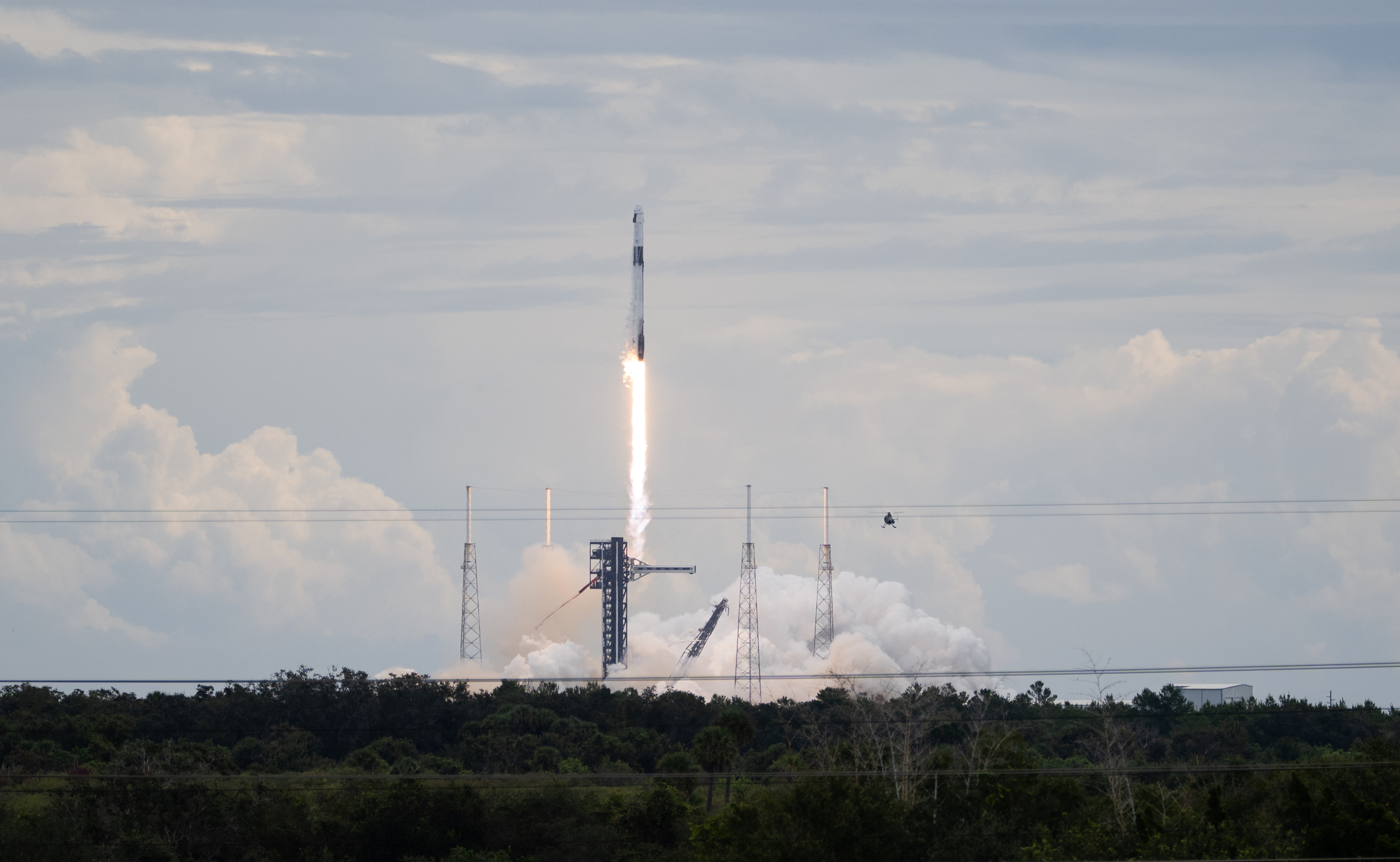
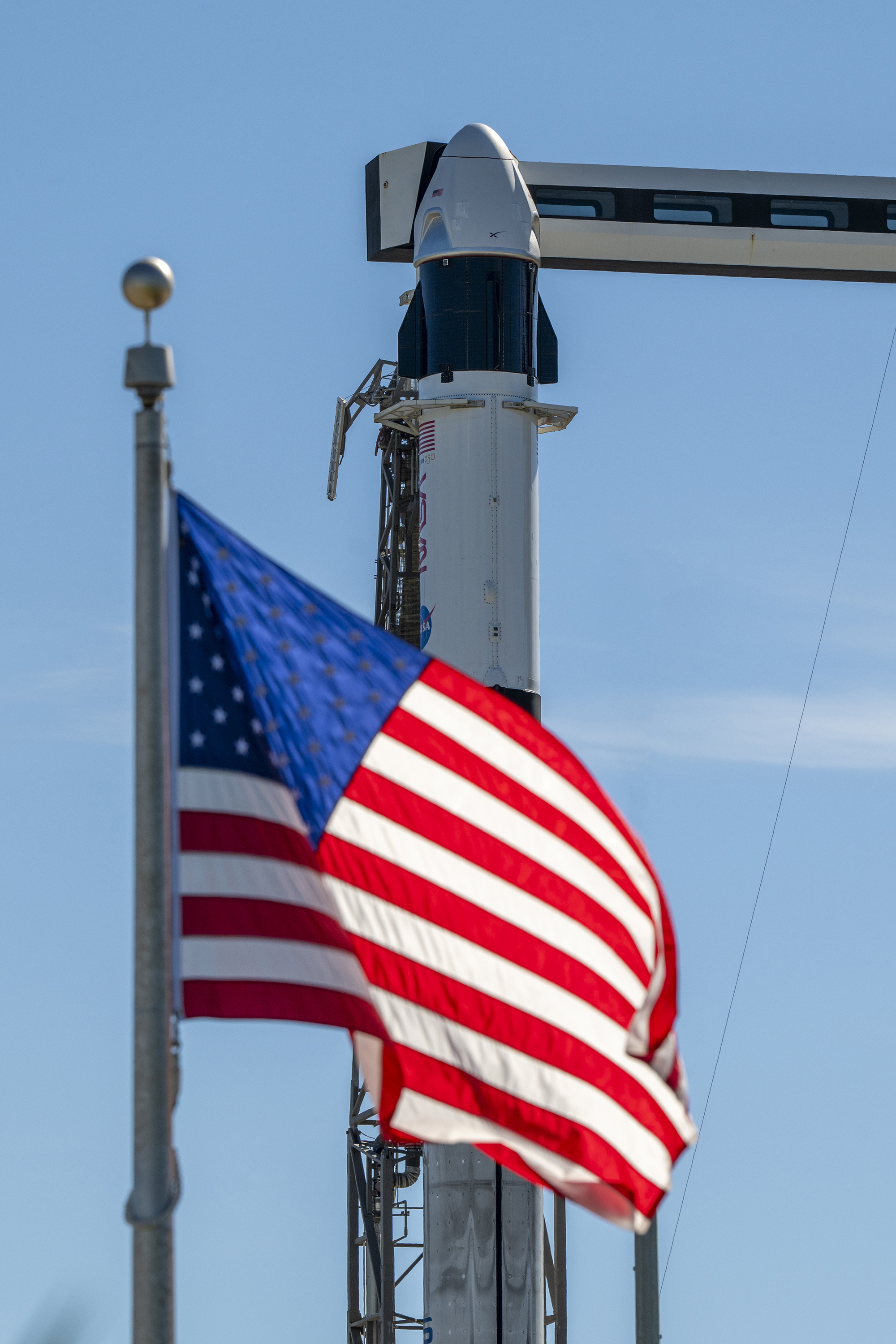
NASA’s SpaceX Crew-13 Launches
A SpaceX Falcon 9 rocket carrying the company's Dragon spacecraft is launched on NASA’s SpaceX Crew-13 mission to the International Space Station with NASA astronauts Jessica Watkins and Luke Delaney, CSA (Canadian Space Agency) astronaut Joshua Kutryk, and Roscosmos cosmonaut Sergey Teteryatnikov aboard, Thursday, Oct. 1, 2026, from Cape Canaveral Space Force Station in Florida.
10/1/2026

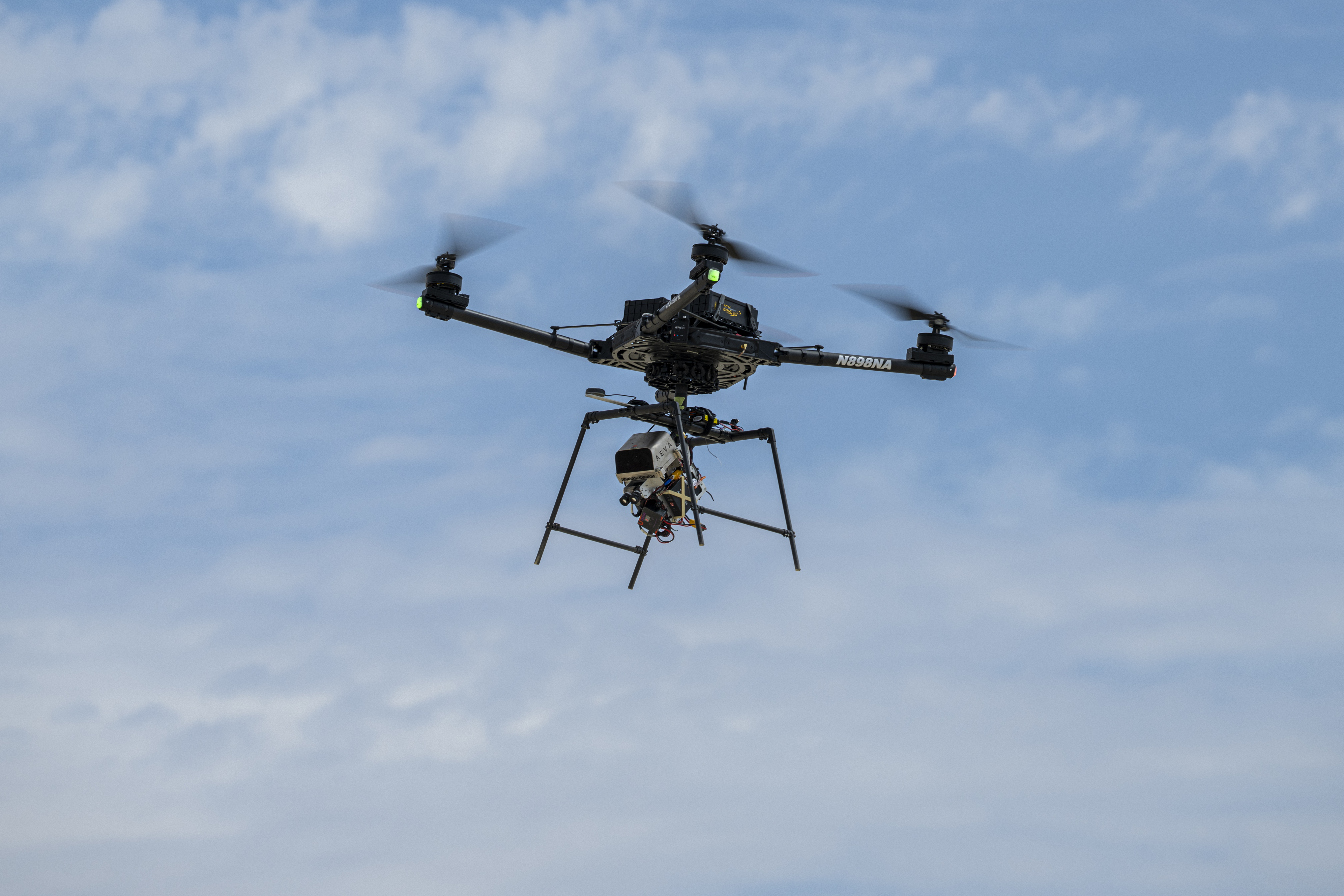
Practicing for Safe Landings on the Moon and Beyond
An Alta-X drone flies an advanced guidance and navigation system known as the Safe and Precise Landing – Integrated Capabilities Evolution (SPLICE) experiment near NASA’s Armstrong Flight Research Center in Edwards, California, on Thursday, Aug. 27, 2026.
9/24/2026
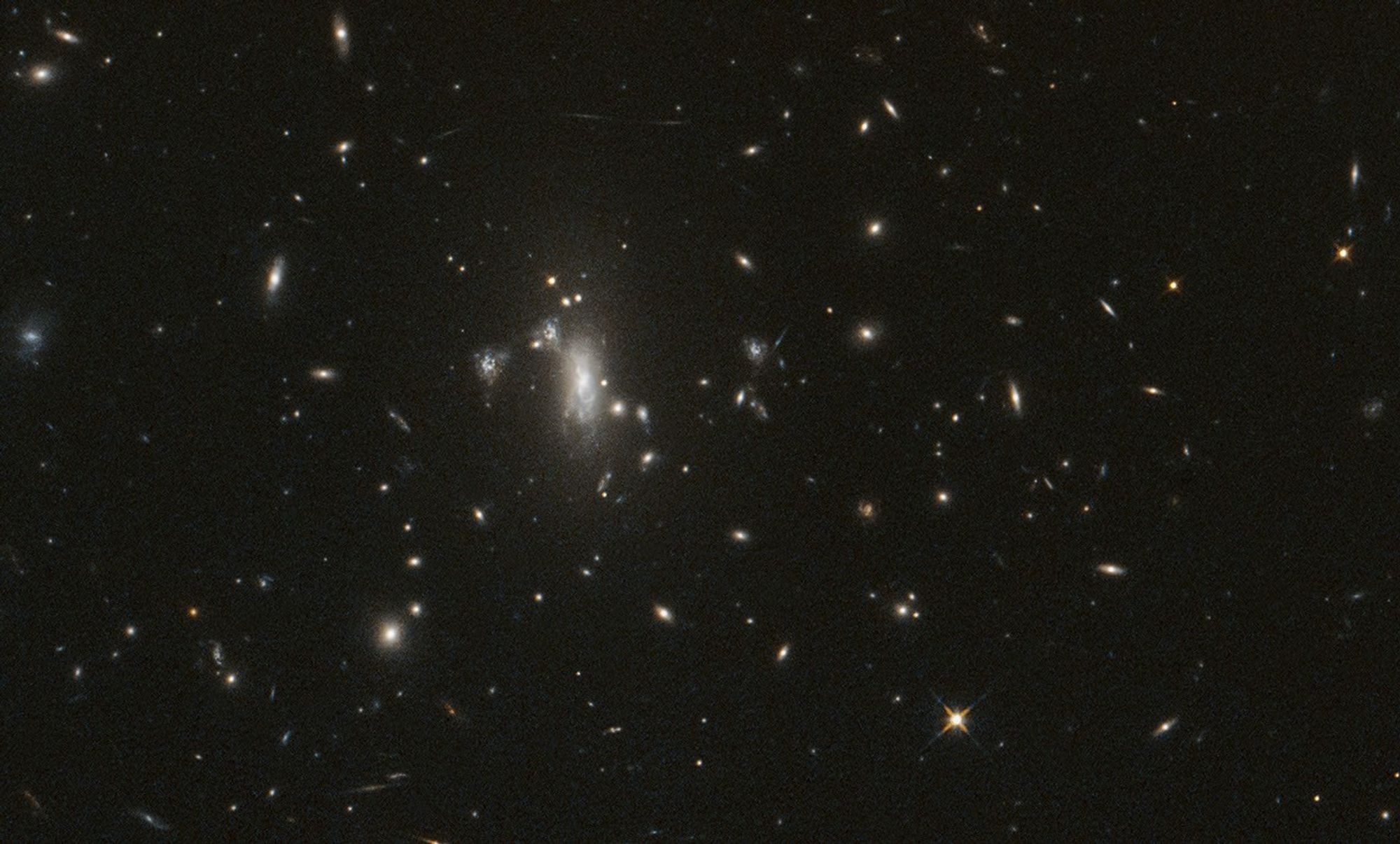
NASA's Hubble Telescope Reaches Milestone, Looks for Elusive Supernova
An image from NASA's Hubble Space Telescope of galaxy cluster MACS J0417 is part of repeated observations to monitor for the reappearance of supernova Athena, which can help astronomers measure the expansion rate of the universe.
9/23/2026
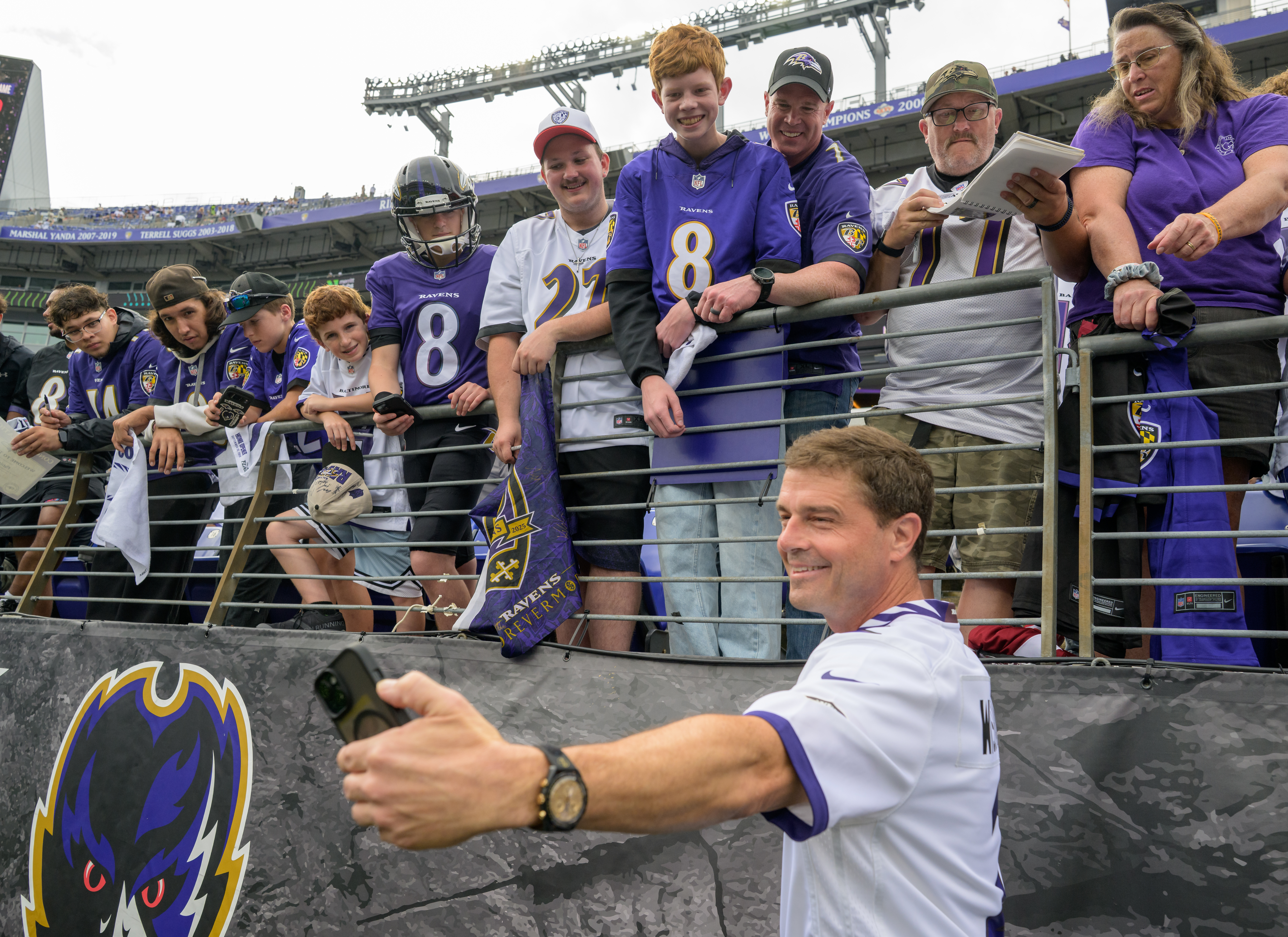
NASA Astronaut Reid Wiseman Attends Ravens vs. Saints Game
NASA astronaut and commander of the agency’s Artemis II mission, Reid Wiseman, a Baltimore native, takes a selfie with fans at an NFL game between the New Orleans Saints and the Baltimore Ravens at M&T Bank Stadium, Sunday, Sept. 20, 2026, in Baltimore.
9/21/2026